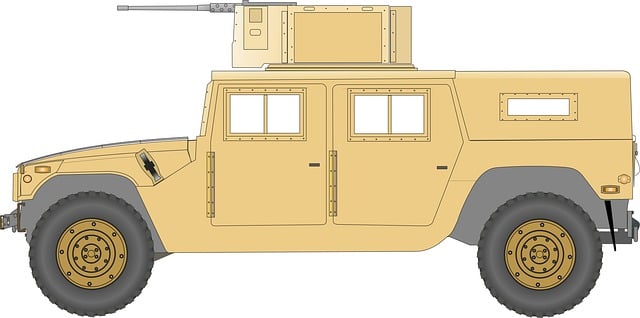
In this guide, we delve into the art of off-road vehicle repair, offering a detailed look at essential techniques crucial for anyone undergoing a car inspection in Brownsville, TX. From identifying common issues to mastering specialized tools, this article equips you with the knowledge needed to tackle challenges faced during inspections.
Introduction: The Importance of Off-Road Vehicle Inspection in Brownsville, TX
When it comes to car inspection in Brownsville, Texas, understanding off-road vehicle repair techniques is paramount. Brownsville’s diverse terrain, ranging from urban streets to rugged outskirts, demands robust vehicles capable of handling various driving conditions. This article provides an in-depth exploration of the skills and knowledge required to excel at off-road inspections, ensuring your vehicle meets the necessary safety and performance standards.
Understanding Off-Road Vehicle Inspection: A Deep Dive
What Sets Off-Road Vehicles Apart?
Off-road vehicles, as the name suggests, are designed for operation on uneven terrain and challenging surfaces where standard road cars might struggle. These vehicles feature unique characteristics that set them apart from their on-road counterparts:
- Enhanced Ground Clearance: Higher ride height allows for navigating over rocks, ruts, and other obstacles without bottoming out.
- Robust Axles and Suspension: Sturdy axles and advanced suspension systems provide stability and control during off-road adventures.
- Durable Tires: Specially designed tires with deep treads offer better traction on loose surfaces like mud, sand, and rocks.
- Powerful Engines: High-torque engines are essential for climbing steep slopes and overcoming resistance in rugged terrain.
Essential Components to Inspect
During a car inspection in Brownsville, TX, focusing on these critical areas is crucial:
- Tires and Wheels: Check for proper tire pressure, tread wear, and wheel damage. Off-road vehicles often require specialized tires with aggressive tread patterns.
- Exhaust System: Examine the exhaust pipes for cracks or leaks, as off-roading can put added stress on this component.
- Engine and Drivetrain: Look for signs of overheat, oil leaks, and drivetrain wear. These systems are pivotal for the vehicle’s performance in challenging conditions.
- Suspension and Axles: Inspect shock absorbers, springs, and axles for damage or wear. Off-road vehicles may require adjustments to their suspension settings.
- Brakes: Test the braking system thoroughly as off-roading can lead to increased brake wear.
Masterful Off-Road Vehicle Repair Techniques
1. Tire Maintenance and Repair
Tires are your vehicle’s first line of defense against rugged terrain, making proper maintenance a critical skill for off-road inspections in Brownsville, TX.
Checking Tire Pressure:
- Why it Matters: Correct tire pressure ensures optimal performance, fuel efficiency, and safety. Underinflated tires can lead to rapid wear, reduced traction, and potential blowouts.
- Method: Use a reliable tire gauge to check the pressure against the recommended PSI (pounds per square inch) found on the vehicle’s door jamb or owner’s manual. Adjust accordingly using an air compressor.
Identifying Wear and Damage:
- Visual Inspection: Look for uneven tread wear, cuts, punctures, or cracks in the tire walls.
- Spare Tire Check: Ensure your spare tire is properly inflated and in good condition for emergencies.
- Repairs: For minor punctures, learn to use tire repair kits. For more extensive damage, consult a professional off-road mechanic.
2. Engine and Drivetrain Troubleshooting
Off-road vehicles rely on powerful engines and robust drivetrains to conquer challenging terrain. Mastering these repairs ensures your vehicle remains reliable under extreme conditions.
Common Off-Road Engine Issues:
- Overheating: Check the coolant levels, radiators, and hoses for leaks or damage. Ensure proper airflow through the radiator.
- Oil Leaks: Inspect engine seals, gaskets, and oil pan for signs of leakage. Top up with the recommended engine oil.
- Drivetrain Wear: Look for unusual noises when accelerating or descending slopes. Check differentials, transfer cases, and axles for wear and proper lubrication.
Advanced Drivetrain Repairs:
- Differential Service: Learn how to change differential fluid and inspect gears for damage. A poorly maintained differential can lead to power loss and handling issues.
- Transfer Case Repair: Transfer cases require specialized knowledge for disassembly, cleaning, and reassembly. Professional help is often recommended.
3. Suspension and Axle Upgrades
Off-road enthusiasts often modify their vehicles for improved performance. Understanding suspension and axle systems is key to enhancing your vehicle’s capabilities during inspections in Brownsville, TX.
Basic Suspension Maintenance:
- Shock Absorber Service: Regularly inspect and replace shock absorbers if they show signs of leakage or degradation.
- Spring Replacement: Learn how to identify worn-out springs and replace them with suitable replacements for your vehicle’s weight capacity.
- Wheel Alignment: Ensure proper wheel alignment to maximize tire life and handling. Off-roading can knock wheels out of alignment.
Advanced Suspension Upgrades:
- Lift Kits: Installing lift kits increases ground clearance, allowing for larger tires and improved off-road performance. Ensure the kit is compatible with your vehicle.
- Control Arms and Ball Joints: These components require careful installation to maintain proper steering geometry. Replace them if worn or damaged.
4. Braking System Optimization
Effective braking is essential for controlling your vehicle during off-road adventures, making regular inspections crucial to ensure safety and performance.
Brake Maintenance Checklist:
- Brakes Pads and Rotors: Inspect pads for wear and replace them if they’ve reached the minimum thickness limit. Check rotors for warping or damage.
- Brake Fluid: Top up with the recommended brake fluid and check for leaks at the master cylinder, calipers, and wheel cylinders.
- Master Cylinder Inspection: Ensure the master cylinder is in good condition and operates smoothly.
Off-Road Brake Considerations:
- Performance Brakes: Some off-road vehicles benefit from upgraded braking systems, such as larger calipers or performance pads, for better stopping power on steep descents.
- Off-Road Fluid: Specialized brake fluids designed for extreme temperatures and conditions may be required for heavy off-roading.
Frequently Asked Questions (FAQs)
Q: How often should I get my off-road vehicle inspected?
A: Off-road vehicles require regular inspections, ideally every 3-6 months or after extensive off-road use. This ensures any potential issues are identified early, enhancing safety and performance.
Q: Can I perform all off-road repairs myself?
A: While some basic maintenance tasks like tire repair and brake checks can be done yourself, complex repairs such as differential service, suspension upgrades, or extensive engine work often require professional skills and specialized tools.
Q: What tools do I need for basic off-road inspections?
A: Essential tools include a jack, wheel chocks, torque wrench, tire iron, brake piston pushers, and a set of socket wrenches. Always carry these when venturing off the beaten path.
Q: How can I prepare my vehicle before embarking on an off-road adventure?
A: Before any off-road excursion, conduct a thorough inspection covering tires, brakes, engine, suspension, and fluids. Ensure your vehicle is in good working order, and consider carrying spare parts and tools for emergencies.
Conclusion
Mastering off-road vehicle repair techniques is an invaluable skill for anyone residing or venturing in Brownsville, TX, known for its diverse terrain. By understanding the unique requirements of off-road vehicles and acquiring the necessary skills, you’ll be well-prepared for car inspections and ready to tackle any challenge that comes your way on the open road or rugged trails. With this knowledge, your vehicle will not only pass inspections but also provide reliable performance during your off-road adventures.