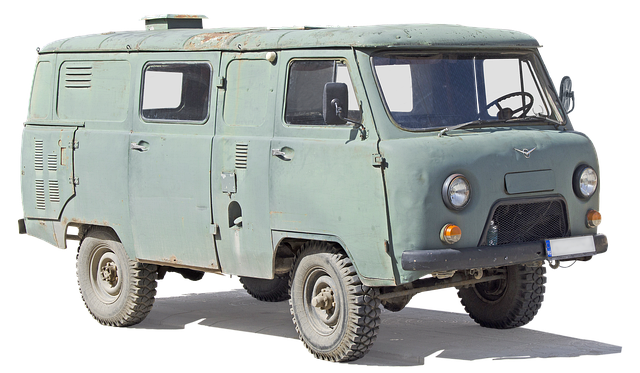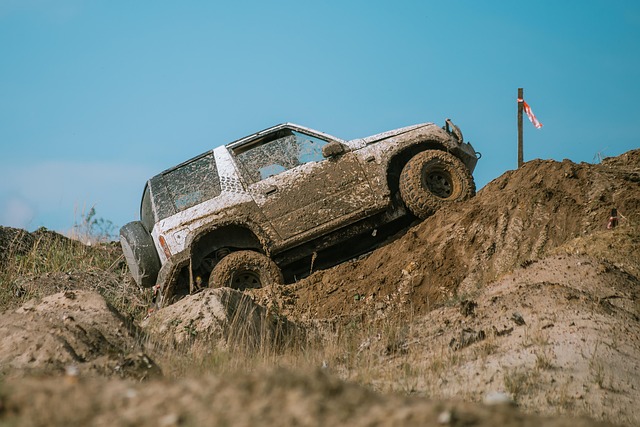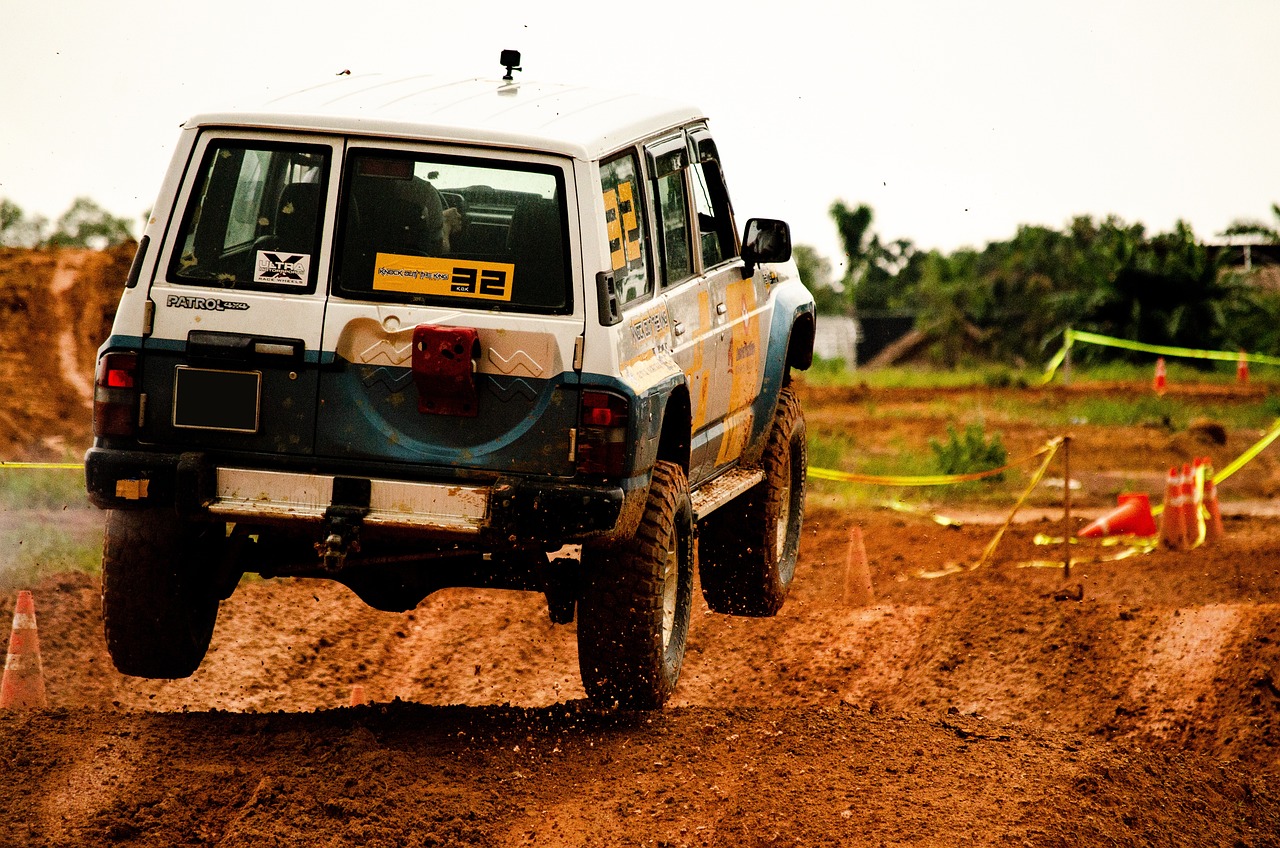
Navigating the rough terrain of off-road driving in Brownsville, TX requires more than just a robust vehicle. Understanding essential repair techniques for your car or SUV during inspections is crucial. This guide delves into the key aspects of off-road vehicle repair, empowering Brownsville drivers to tackle common challenges and ensure safe, confident off-road adventures.
Car Inspection Brownsville TX: Off-Road Vehicle Repair Techniques
Brownsville, TX, known for its rugged landscapes and diverse terrain, attracts adventurers seeking thrilling off-road experiences. However, navigating these challenges requires not just a capable vehicle but also a solid understanding of off-road vehicle repair techniques. Whether you’re preparing for a weekend trek through the desert or tackling a steep mountain trail, knowing how to inspect, diagnose, and repair common off-road issues is essential for safe and enjoyable exploration. This guide provides a comprehensive overview of off-road vehicle repair techniques, equipping Brownsville drivers with the knowledge to tackle unexpected challenges.
1. Essential Off-Road Vehicle Inspection Checklist
Before venturing onto the trail, a thorough pre-trip inspection is paramount. A well-maintained off-road vehicle is a safer vehicle. Here’s a breakdown of critical components to check:
A. Engine and Drivetrain:
- Oil Level: Ensure your engine oil is at the recommended level, a crucial lubricant for smooth operation.
- Coolant: Check your coolant levels and ensure the radiator is free of debris.
- Drive Train: Inspect differentials for wear, fluid leaks, and proper lubrication.
- Tires and Suspension: Look for uneven tire wear, damage, and proper tire pressure. Check your suspension components for loose or broken parts.
B. Exhaust System:
- Look for leaks, damage, or corrosion in the exhaust system. A well-maintained exhaust system is essential for both performance and safety.
C. Brakes:
- Pad Wear: Inspect brake pads for wear and replace them if necessary.
- Fluid Level: Ensure brake fluid levels are adequate and check for any signs of contamination.
- Brake Lines: Look for cracks, corrosion, or leaks in your brake lines.
D. Lights and Signals:
- Headlights: Test all headlights for brightness and proper aim.
- Turn Signals: Ensure all turn signals are functioning correctly.
- Brake Lights: Verify that your brake lights are bright and visible.
E. Other Safety Features:
- Fire Extinguisher: Ensure it’s fully charged and accessible.
- First Aid Kit: Check for expiration dates and replenish any missing items.
- Emergency Kit: Stocked with water, snacks, tools, and a spare tire.
2. Common Off-Road Repairs and Troubleshooting
While a meticulous inspection can prevent many problems, off-road adventures can still throw curveballs. Here are some common repairs and troubleshooting tips to keep in mind:
A. Flat Tire:
- Assess the Damage: Check for sharp objects embedded in the tire and assess the extent of the damage.
- Spare Tire: If equipped, learn how to change a tire properly. Keep a jack, lug wrench, and spare tire in good condition.
- Tire Repair Kit: Carry a portable tire repair kit to patch small punctures.
B. Leaking Fluid:
- Identify the Source: Different fluids (brake, coolant, transmission) require specific attention. Look for visible leaks and check under your vehicle for wet spots.
- Spill Containment: Place a container under the leak to prevent further damage.
- Professional Assistance: Consult a Brownsville, TX mechanic for proper repair and fluid replacement.
C. Stalled Engine:
- Fuel Supply: Ensure you have sufficient fuel and check for any blockages in the fuel lines.
- Spark Plugs: Check and replace fouled spark plugs.
- Battery: Verify battery connections and test for power. A dead battery can be jump-started if necessary.
- Overheating: If the engine overheats, park in a shaded area, shut off the engine, and allow it to cool.
D. Electrical Issues:
- Dead Battery: Learn how to jump-start a dead battery using another vehicle.
- Loose Connections: Check battery terminals for corrosion and clean them if necessary.
- Faulty Switches and Relays: Identify and replace any faulty electrical components.
3. When to Seek Professional Help
While some basic off-road repairs can be tackled yourself, there are times when it’s best to consult a professional mechanic in Brownsville, TX.
- Complex Repairs: If the issue seems beyond your skill level or involves intricate systems, seek professional assistance.
- Safety Concerns: Never attempt a repair if it raises safety hazards or if you lack the necessary tools and knowledge.
- Severe Damage: In cases of major accidents, extensive damage, or unknown issues, a qualified mechanic can provide expert diagnosis and repair.
4. Safety First: Off-Road Driving Best Practices
Remember, off-road driving is an exhilarating experience but also carries inherent risks. Adhering to safe driving practices is crucial:
- Know Your Vehicle: Understand the capabilities and limitations of your off-road vehicle.
- Plan Ahead: Research your route, anticipate challenges, and prepare accordingly.
- Weather Conditions: Check weather forecasts and avoid driving in extreme conditions.
- Stay Hydrated and Rest: Off-road adventures can be physically demanding. Drink plenty of water and take breaks to prevent fatigue.
- Emergency Preparedness: Always carry essential emergency supplies, including a first aid kit, water, food, and a communication device.
Conclusion
Mastering off-road vehicle repair techniques is an invaluable skill for Brownsville, TX adventurers. By understanding the essentials of inspection, common repairs, and safe driving practices, you can confidently navigate challenging terrains. Remember, while off-road exploration offers thrilling experiences, safety should always be your top priority. With the right knowledge and preparation, you can turn your off-road adventures into unforgettable memories.