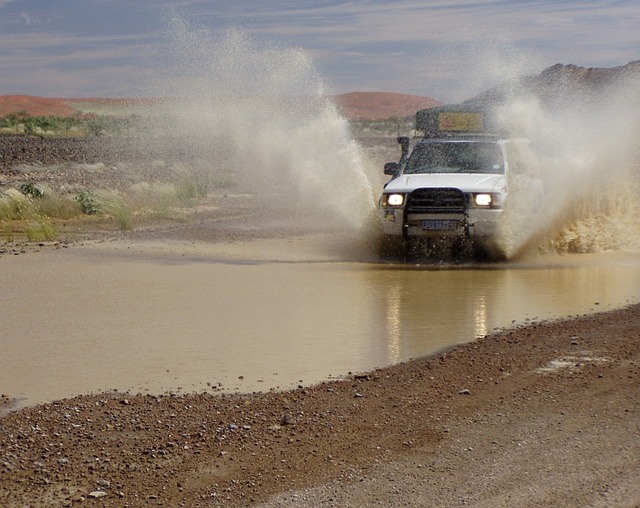
Brownsville, TX, residents rely on expert car inspections to ensure their off-road vehicles are safe and roadworthy. This comprehensive guide delves into the intricacies of off-road vehicle repair, highlighting essential techniques for optimal performance and safety. From basic maintenance to complex repairs, learn how to navigate common challenges faced by Brownsville drivers navigating rough terrain.
Understanding Off-Road Vehicle Inspection in Brownsville, TX
In the diverse landscape of Brownsville, Texas, where rugged terrain and varying weather conditions are commonplace, reliable off-road vehicles are a necessity. Whether you’re tackling muddy trails, sandy dunes, or rocky outcrops, regular inspections are crucial to ensure your vehicle’s safety and longevity. This article guides you through the process, focusing on essential repair techniques for optimal off-road performance.
The Importance of Routine Off-Road Vehicle Maintenance
Regular car inspections in Brownsville, TX, specifically tailored for off-road use, serve as a crucial preventive measure:
-
Safety: Identifying potential issues before they become hazards is paramount when venturing into unfamiliar or challenging terrain.
-
Performance Optimization: Well-maintained vehicles operate more efficiently, allowing you to conquer varied terrain with ease and confidence.
-
Cost Savings: Catching problems early can prevent costly breakdowns and extend the lifespan of your vehicle’s components.
Key Areas for Off-Road Vehicle Inspection in Brownsville, TX
A comprehensive inspection should cover these critical areas:
1. Engine & Drivetrain
-
Check Engine Light: Address any warning lights on your dashboard promptly. Off-road vehicles often face unique stresses that can trigger issues with the engine management system.
-
Oil and Filter Changes: Regular oil changes are essential to lubricate and protect internal components, especially in dusty or dirty environments.
-
Drivetrain Inspection: Examine differentials, transfer case, and driveline for signs of wear, leaks, or damage. Off-road driving puts significant strain on these systems.
2. Tires & Suspension
-
Tire Condition: Inspect tread depth, sidewall integrity, and overall tire pressure. Off-road tires often face extreme conditions, leading to rapid wear.
-
Suspension Components: Check for suspension leakages, worn bushings, ball joints, and control arm components. These parts absorb impact but deteriorate over time, compromising handling and stability.
-
Lift Kits & Mods: If your vehicle has been modified with a lift kit or other off-road enhancements, ensure they are properly installed and aligned.
3. Exhaust System & Fuel System
-
Leak Checks: Inspect the exhaust system for any cracks, holes, or loose connections that could lead to leaks and reduced performance.
-
Fuel Filter Replacement: Replace your fuel filter regularly to ensure clean fuel flow, preventing potential clogs that can stall your engine.
-
Spark Plugs: Check spark plug condition and replace them as needed. Off-road driving can create more electrical demands on your system.
4. Braking System & Safety Features
-
Brake Fluid Level: Ensure brake fluid levels are adequate to prevent overheating and maintain optimal braking performance.
-
Pad and Rotor Condition: Inspect brake pads for wear and rotors for scoring or warping, signs that may indicate the need for replacement.
-
Emergency Braking Systems: Verify proper functioning of any advanced safety features like ABS (Anti-lock Braking System) and traction control.
Advanced Off-Road Vehicle Repair Techniques
For more complex repairs beyond routine maintenance:
-
Diagnose with Technology: Utilize diagnostic tools to identify code errors and pinpoint problem areas within your vehicle’s electronic systems. Many modern off-road vehicles come equipped with advanced onboard diagnostics that can aid in troubleshooting.
-
Refer to Specialized Repair Manuals: Access repair manuals specifically designed for off-road vehicles, which offer detailed instructions tailored to the unique challenges faced by these machines.
-
Consult with Off-Road Experts: Turn to experienced mechanics or online communities specializing in off-road repairs for guidance on tricky problems or rare issues.
Frequently Asked Questions (FAQs)
Q: How often should I get my off-road vehicle inspected?
A: It’s best to conduct a thorough inspection at least once monthly, or more frequently if you frequently traverse challenging terrain.
Q: Can I perform all off-road repairs myself?
A: While some basic maintenance tasks are DIY-friendly, complex repairs often require specialized tools and knowledge. Seek professional assistance for safety and reliability.
Q: What should I look for during a pre-trip inspection before heading off-road?
A: Check fluid levels (brake, coolant, engine oil), tire pressure, battery connections, lights, wiper blades, and ensure all safety equipment is properly secured.
Q: How do I know if my vehicle needs a lift kit or other modifications for better off-road performance?
A: Research your specific vehicle’s capabilities and the terrain you’ll encounter. Consult with experts to determine the best upgrades for your needs without compromising safety.
Conclusion
Mastering off-road vehicle repair techniques is an ongoing process that requires dedication, knowledge, and access to quality tools. By adhering to a rigorous inspection routine and staying informed about your vehicle’s needs, you can confidently conquer Brownsville, TX’s diverse landscapes while ensuring your safety and the longevity of your off-road machine.